
First Time Home Buyers
Buying your first home? Explore the tips and tricks below to help you navigate your first home purchase with confidence.
Buying your first home? Explore the tips and tricks below to help you navigate your first home purchase with confidence.
Start by meeting with a mortgage broker or lender to understand your budget and what you can afford.
While knowing how much you can afford is the first step, sellers will be much more receptive if you can show them your pre-approval letting when submitting an offer. This makes a much stronger impression on the sellers. Pre-approval means you’ve applied for a mortgage and received a written commitment from a lender, letting sellers know you’re a serious buyer. It also keeps you focused on homes within your price range. Pre-approval costs are generally low and are often paid at closing.
Before you start house hunting, make two list:
The first list should include your “must haves.” These are non-negotiable features, such as the number of bedrooms needed for your family, a one story home if accessibility is important, county vs in-town, school district, acreage, basement.
The Second list should include your “wish list.” The features you’d like to have – such as a pool, den, upgraded finishes – but are not absolutely necessary.
Keep all material related to your home search in one convenient location. Staying organized will help you maximize your time and make more confident decisions. Helpful items to keep on hand:
- A running list of homes your agent has shown you
- Notebook and pen to jot down thoughts, questions, and comparisons.
- Your pre-approval letter and basic financial documents
- A dedicated folder (digital or physical) for all home buying paperwork
Not every home will be staged perfectly or presented in a way that matches your style. Try to look beyond the seller’s décor and imagine how the home would function for your needs. Consider whether the layout works for you and if the rooms provide enough natural light.
Instead of making an emotional decision when you find your home, think with your head. Does this home really meet your needs? Are there many houses on the market? Is what we would offer be worth the value of the home? What’s our time frame look like?
In the same token, be ready to make a quick decision if needed. The market doesn’t stop for anyone. Sellers may have deadlines for when offers need to be placed. Think thoroughly and strategically about your decision but be ready to make it fast if needed.
Consider hiring your own real estate agent, one who is working for you , the buyer, not the seller.

Before an offer to purchase is prepared, it’s important to be at least pre-qualified—or preferably pre-approved—by a lender, as it demonstrates to the seller that you are financially capable of purchasing the home.
Once you’ve found the right property, it’s time to work with your agent to prepare a competitive offer.
When buying a home, sellers are legally required to disclose certain information about the property. In Ohio, this includes known major physical defects. However, disclosures don’t always tell the full story. Asking the right questions can help you gain additional insight into the home before making a final decision. Below are four important questions you may want to consider asking.
This may help you evaluate the “real value” of the property. Are there any major issues with the home, or something the seller does not like? If so, you may be able to adjust the purchase price accordingly.
While knowing how much you can afford is the first step, sellers will be much more receptive if you can show them your pre-approval letting when submitting an offer. This makes a much stronger impression on the sellers. Pre-approval means you’ve applied for a mortgage and received a written commitment from a lender, letting sellers know you’re a serious buyer. It also keeps you focused on homes within your price range. Pre-approval costs are generally low and are often paid at closing.
Was there a water leak in a bathroom that damaged the floors, ceilings or walls around it that may not have been fixed? If anything may have been repaired, was it repaired properly?
Use this response to find out about barking dogs, heavy road traffic, noisy neighbors or any planned changes to the community.

Closing cost or the fees associated with completing a home purchase cover various expenses; appraisal fee, lender fees, title company fees, title insurance, and taxes. It is important for buyers to budget for these cost because sometimes it is not included in the down payment and can add up pretty quickly if not planned for.
The cost you pay for the appraisal of the home. Often times it is taken out of the settlement statement at closing or it can be done at the start of your loan application process.
This can include a variety of items, most are standard but some have additional cost that depend on what lender you choose and their specific loan requirements. This includes; loan origination fee, credit report, pre-paid interest, buy downs, and homeowners insurance.
- Loan Origination Fee: the charge the lender collects for processing, underwriting and funding the loan.
- Credit Report: detailed record of your credit history that lenders use to approve you, decide what interest rate you get and your loan terms.
- Pre-Paid Interest: This covers the interest payment from the date you purchased the home till the end of the month or your first mortgage payment. Usually if you buy early in the month the prepaid interest fee will be higher than if you buy it towards the end of the month.
- Buy Downs or Rate Discount: an upfront payment to reduce your mortgage interest rate either temporarily or permanently.
- Private Mortgage Insurance (PMI): is an insurance policy that protects the lender, not the buyer, when a borrower puts less than 20% down on a conventional mortgage.
- Home Owners Insurance: protects your home and belongings against damage or loss—and it’s required by lenders if you have a mortgage.
- Title Insurance Fees’
- Title Exam Fee
- Title Insurance Binder
- Title Settlement
- Document Prep
- Attorney Fees and Closing Room Fee
- Other Misc Fees
Government recording fees are charges paid to a local government office (usually the county recorder or clerk) to officially record real estate documents in public records.
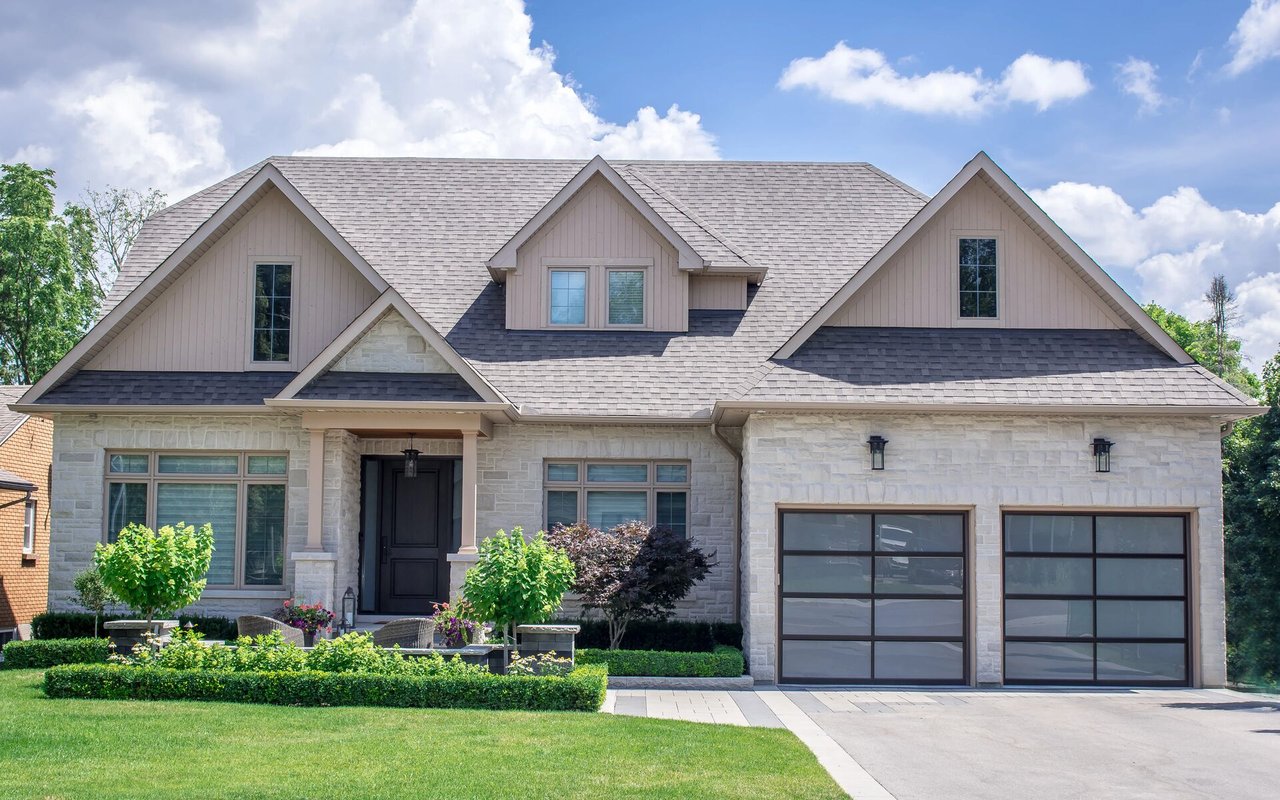
Congratulations—homeownership is within reach! That said, we’re just getting to first base. Once you submit your escrow deposit to the chosen title or settlement company, or either brokerage’s escrow account, there are still a few important steps ahead before you cross the finish line.”
“Once the contract is signed by all parties you have entered your Contingency or “Contract to Close” phase. the buyer and seller have agreed on the terms and contingencies. During this period, all conditions must be fully satisfied. While every contract is different, most include an inspection contingency. It’s very important to schedule the inspection as soon as possible after signing the purchase contract, because you may discover issues that are unsatisfactory and could give you reason to reconsider or even rescind the contract.”
A financing contingency allows the buyer a specific period of time to obtain loan approval. If the buyer cannot secure financing
within that timeframe, they may cancel the contract without losing their earnest money, provided they act in good faith and follow the contract terms. For sellers, this contingency introduces some uncertainty, which is why stronger pre-approval, shorter contingency periods, or fewer conditions can make an offer more attractive.
This means the seller is required to deliver a title that is clear of defects and free from liens, encumbrances, or claims that could affect the buyer’s ownership or ability to resell the property. Marketable title ensures the buyer can take ownership without legal disputes, and any title issues discovered must be resolved by the seller prior to closing.
Securing Homeowners Insurance – Key Steps
- Compare quotes from multiple insurers
- Ensure coverage includes dwelling, personal property, liability, and additional living expenses
- Provide accurate home details (age, construction, location, security features)
- Choose a deductible that fits your budget
- Arrange coverage before closing, as lenders require proof of insurance
Electricity & Gas: Set up accounts or transfer service to your name for the closing/move-in date.
Water & Sewer: Contact the local provider to ensure service is active and billing is in your name.
Trash & Recycling: Arrange pick-up services if not included in your HOA or municipal fees.
Internet & Cable/TV: Schedule installation or transfer to avoid service interruptions.
Other Services: Consider phone lines, security systems, or any specialty utilities (well, propane, etc.)
Doing this ahead of time ensures a smooth transition and avoids any gaps in essential services on move-in day.
A final walkthrough is the buyer’s last opportunity to inspect the home before closing. It typically occurs 24–48 hours before closing and ensures the property is in the agreed-upon condition. During the walkthrough, buyers should:
- Verify all agreed-upon repairs have been completed
- Check that appliances, plumbing, electrical, and HVAC systems are functioning
- Confirm that nothing has been removed that should remain (fixtures, appliances,
etc.)
- Ensure the home is clean and free of personal belongings from the seller
The final walkthrough gives buyers confidence that the home is ready for possession and helps prevent surprises after closing. You've made it! Once the sale has closed, you're the proud owner of a new home. Congratulations!
Whether you’re buying your first home or preparing to sell, Morgan Rice is ready to help. Reach out today to start a conversation and experience a real estate process built around your needs.