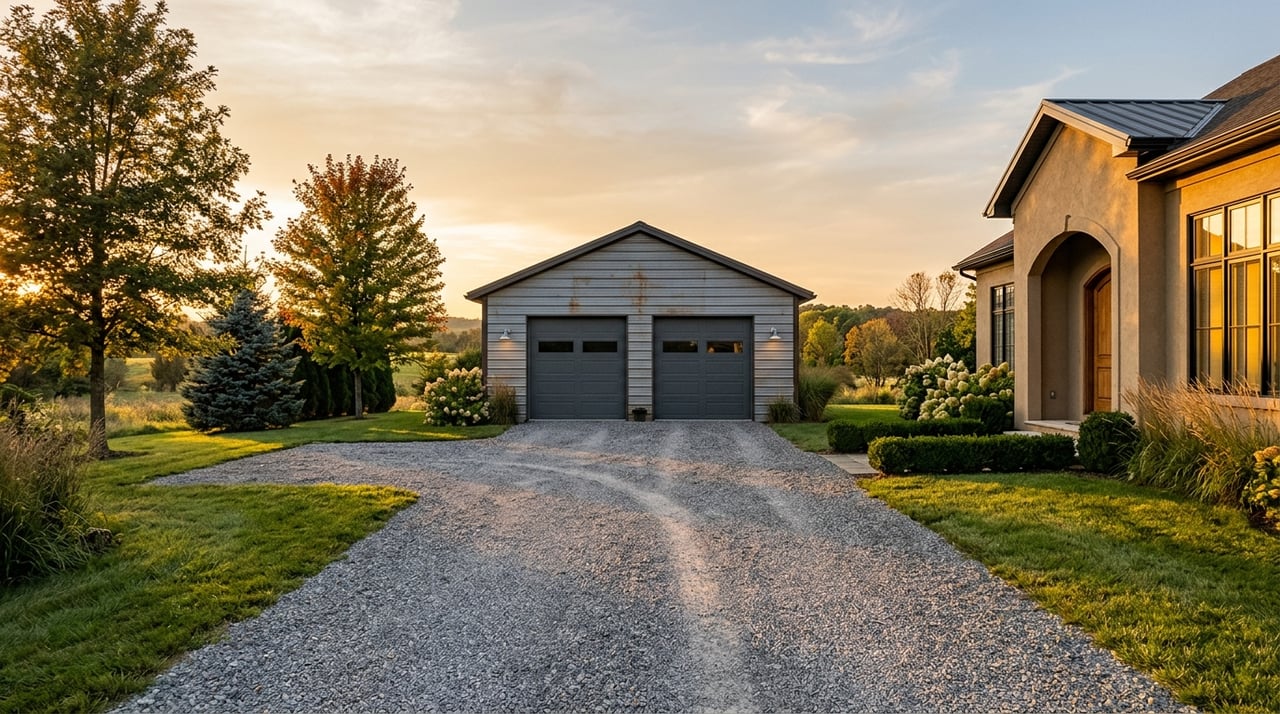
Acreage for Sale Near Delta Ohio: A Buyer’s Guide
May 7, 2026
May 7, 2026
Dreaming about more space, a pole barn, a garden, or a few acres outside town? Near Delta, Ohio, that dream can look very different from one parcel to the next. If you are thinking about buying acreage in the 43515 area, it helps to know how zoning, utilities, taxes, and land use can affect what you can actually do with a property. Let’s dive in.
In and around Delta, available land is not one-size-fits-all. Recent listing snapshots in 43515 have ranged from small village lots of 6,534 square feet to parcels of 0.64, 1.0, 1.97, 2.55, 8.03, 18.85, 19.36, and 43.32 acres.
That means your search may include everything from an in-town building lot to a mid-size estate parcel or a larger rural tract. If you want room for a home, outbuildings, equipment storage, or agricultural use, it is important to compare parcels based on more than acreage alone.
One of the biggest mistakes buyers make is assuming the same rules apply across all of 43515. In Fulton County, some townships are county-zoned, some are township-zoned, and the Village of Delta has its own zoning code and floodplain rules.
Fulton County identifies Amboy, Franklin, Fulton, and York townships as county-zoned. Chesterfield, Clinton, German, and Swan Creek townships are township-zoned. If a parcel is inside the Village of Delta, village rules may apply instead.
Before you get attached to a property, confirm exactly which jurisdiction controls it. That one step can shape what type of home, accessory building, driveway, fence, or land split may be allowed.
In Fulton County rural zoning, the AG-5 acre and RE-1 acre districts allow one-family detached dwellings, farms, and accessory uses and buildings. That helps explain why so many acreage conversations in this area center around roughly 1-acre homesites, 5-acre parcels, and larger tracts.
Within the Village of Delta, new subdivision plats or lot splits of parcels greater than 5 acres must go before the planning commission. County subdivision regulations also include specific conditions for certain parcel splits greater than 5 acres used exclusively for agricultural or personal recreational purposes.
If you are buying a split-off parcel, ask early whether the lot is already approved or whether local review is still needed. That can affect both your timeline and your plans.
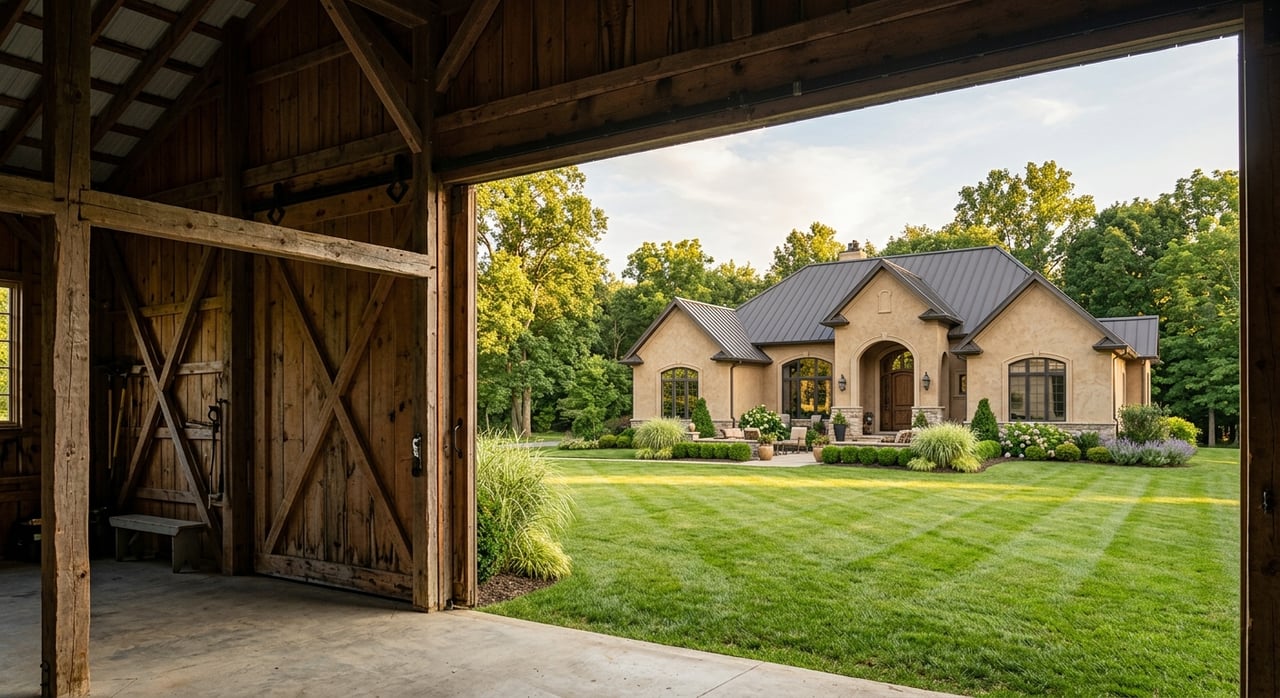
Acreage buyers near Delta often want more than just a house. They may be looking for room to garden, keep animals, store equipment, build a workshop, or enjoy a hobby-farm setup.
Fulton County’s zoning code recognizes farms, agricultural purposes, and accessory buildings. The county defines agricultural purposes broadly, including animal or poultry husbandry, aquaculture, apiculture, and the production of field crops, fruits, vegetables, nursery stock, ornamental trees, sod, or flowers.
That makes uses like hobby farming, gardens, storage buildings, pole barns, and workshop-style outbuildings part of the local acreage conversation. Still, the exact parcel rules matter, so you should verify zoning and permit requirements before assuming a future barn, shed, or detached garage will be approved.
If you are comparing rural properties, pay attention to what is already on site and what you hope to add later. A parcel that looks perfect on paper may still require permits for structures or site changes.
Within the Village of Delta, the zoning office requires permits for footprint changes, driveways, sheds, detached garages, signs, and fences. If a parcel is in the village floodplain, certain changes and fences may also require a floodplain permit.
A rural property near Delta may have public utilities, private systems, or a mix of both. The Village of Delta operates public water and wastewater systems and serves customers both inside and outside village limits, so utility availability should always be verified parcel by parcel.
If public sewer is not available, Fulton County subdivision regulations require a soil evaluation. The same regulations also require an approved water supply before final subdivision approval, and they state that development within 200 feet of a public sanitary sewer must connect to that line.
This is why two parcels with the same acreage can have very different build potential. One may be ready for construction, while another may need more investigation on sewer, water, frontage, or site suitability.
For many rural buyers, private water and septic review is a must. Fulton County Health Department says the county has nearly 7,600 household sewage treatment systems that are not connected to municipal sewer, and every HSTS needs an operation and maintenance permit.
The health department also uses a separate water-and-sewage report for inspections due to sale or refinance and offers separate private water permitting. If the property relies on private systems, ask for as much information as possible before your contingencies expire.
EPA guidance adds another useful layer for buyers. Private well owners are responsible for safe drinking water, and private wells are not regulated like public drinking water systems. EPA also recommends using certified laboratories for testing and checking wells after flooding or other changes near the well.
For septic care, EPA says the average household septic system should be inspected at least every three years and pumped every three to five years. Even if a system appears to be working, a proper review can help you avoid expensive surprises later.
Financing a rural property is not always the same as financing an in-town home. If you are considering USDA financing, eligibility depends on the exact property and address.
USDA Rural Development says its Single Family Home Loan Guarantees require a primary residence in an eligible rural area. USDA also says there are no set acreage limits as long as the acreage is common for the area, and there is no set maximum purchase price because the program is based on repayment ability through approved USDA lenders.
The key takeaway is simple: check the exact address early. USDA property eligibility results can come back as eligible, ineligible, or unable to determine, so it is smart to have your lender review the property before you get too far into the process.
If you are buying land for agricultural use, tax treatment may be different from a typical residential parcel. Fulton County’s CAUV program states that agricultural land is valued and taxed based on expected net farm income rather than current market value.
That does not mean every acreage parcel will qualify the same way, but it does mean buyers should ask questions. If a property is already in CAUV or is being used for agricultural production, that may affect how you evaluate ownership costs and future plans.
When you tour acreage near Delta, keep these practical questions in mind:
These questions can save you time, money, and frustration. They also help you focus on parcels that truly fit your goals.
Before removing contingencies on a rural property, take time to confirm the basics. In this market, due diligence often matters more than the listing photos.
Here is a practical checklist for acreage buyers near Delta:
A good acreage purchase is about more than finding open space. It is about making sure the land works for the life you want to build on it.
Buying rural property around Delta can be exciting, but it also comes with details that are easy to miss. A parcel near town may still have village permitting issues, private utility questions, floodplain considerations, or split approvals that need a closer look.
That is where local guidance matters. When you work with someone who understands Fulton County, Delta-area parcels, and the differences between residential and rural transactions, you can ask better questions and move forward with more confidence.
If you are thinking about acreage, hobby-farm property, or a rural home near Delta, Morgan Rice can help you sort through the details and find a property that fits your goals.
Stay up to date on the latest real estate trends.
Whether you’re buying your first home or preparing to sell, Morgan Rice is ready to help. Reach out today to start a conversation and experience a real estate process built around your needs.