Should You Auction Or List Your Whitehouse Acreage
May 21, 2026
May 21, 2026
If you’re thinking about selling acreage in Whitehouse, one question can shape your whole strategy: should you auction it or list it the traditional way? That choice matters because land does not sell like a typical in-town house, and acreage buyers often focus on very specific details like tract layout, access, use, and future potential. In this guide, you’ll learn how each option works in Whitehouse, what type of property tends to fit each path, and how to choose the approach that matches your goals. Let’s dive in.
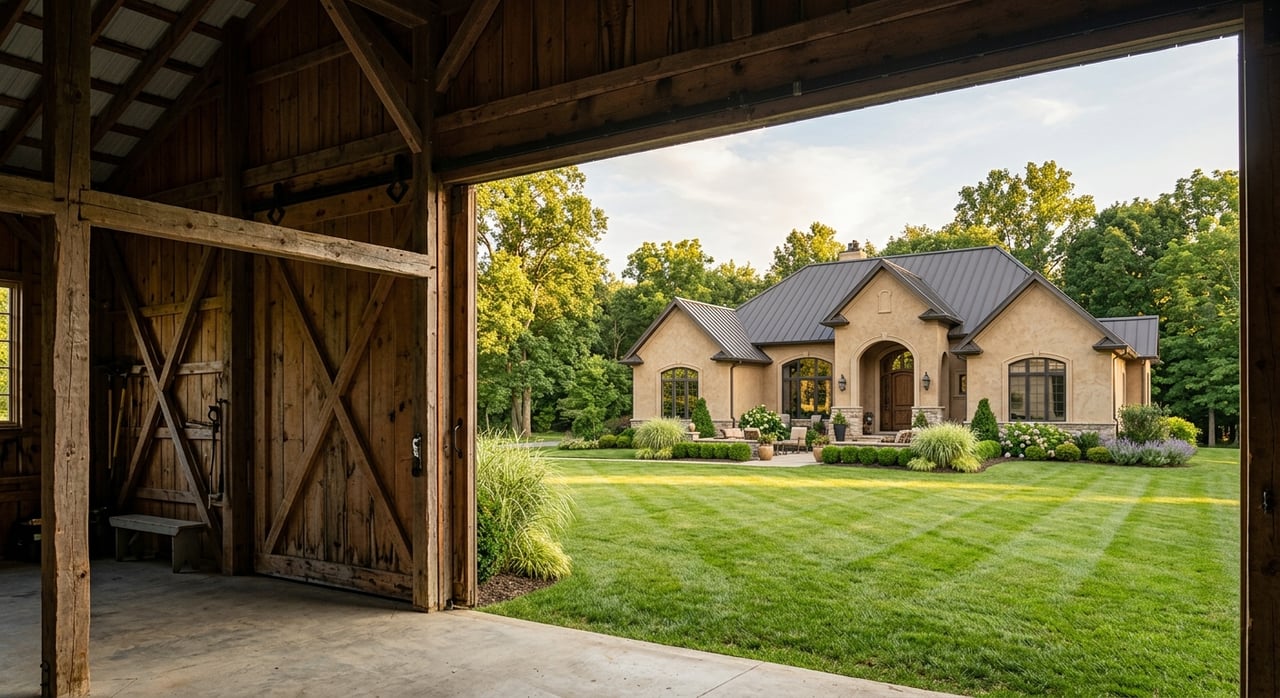
Acreage near Whitehouse can tell very different stories from one parcel to the next. Some properties function more like a country home with extra land, while others look more like hobby-farm acreage, cropland, or land that may appeal because of future use potential.
That local context matters. Whitehouse states that most land use in the village is residential, with a small but growing commercial and industrial component. The village also handles zoning permits and zoning questions, while Lucas County Building Regulations handles plan review, permits, and inspections for building department matters.
Because of that setup, the best sale method often depends on how your land is used and how buyers are likely to view it. A property with a house, barn, pond, and fenced ground may need a different marketing plan than a simple vacant tract with road frontage.
Acreage pricing in the Whitehouse area is not based on one flat number per acre. The research shows a wide range depending on land type and features.
USDA’s 2025 figures put Ohio farm real estate at $9,350 per acre and Ohio cropland at $9,750 per acre statewide. OSU’s 2025 western Ohio survey found average bare cropland in northwest Ohio at $11,056 per acre, top cropland at $13,493 per acre, and western Ohio transition land at $27,873 per acre. Lucas County is included in OSU’s northwest Ohio survey region.
Those numbers are useful for context, but they are not a shortcut to value. OSU notes that soils, drainage, field size and shape, accessibility, market access, buildings, grain storage, population density, and local competition can all affect price.
That is why your sale strategy should focus on the features that truly drive value for your specific parcel. If buyers are paying for utility, layout, access, or future appeal, your marketing should make that clear from the start.
In Ohio, an auction is a sale method set for a predetermined date and time. That built-in schedule is one of the biggest differences between auction and a traditional listing.
Ohio law also separates auctions into two main types: reserve and absolute. If you are considering an auction, understanding that difference is essential.
A reserve auction gives you more seller control. You can set a minimum bid, accept or reject bids, or withdraw the property before the auction is completed.
For some Whitehouse acreage sellers, that flexibility can be appealing. It can offer a more structured timeline while still preserving room to protect the property’s price position.
An absolute auction works differently. The property sells to the highest bidder without reserve, and the seller cannot withdraw the property after bidding opens.
That can create a strong sale-on-date structure. It may fit sellers who value timing certainty and are comfortable committing to the auction result.
A traditional listing is usually built around broad market exposure and more flexible timing. It gives you room to present the property through pricing, photos, property descriptions, signage, and other listing marketing tools.
Research in the report notes that marketing can include staging, professional photography, social media, signage, open houses, and competitive pricing. It also notes that MLS exposure usually provides the broadest reach to prospective buyers.
That broader exposure can matter a lot for acreage with features buyers need time to understand. If your property includes a home, outbuildings, woods, fencing, a pond, or a mix of open and usable land, a listing can give those details more time to work in your favor.
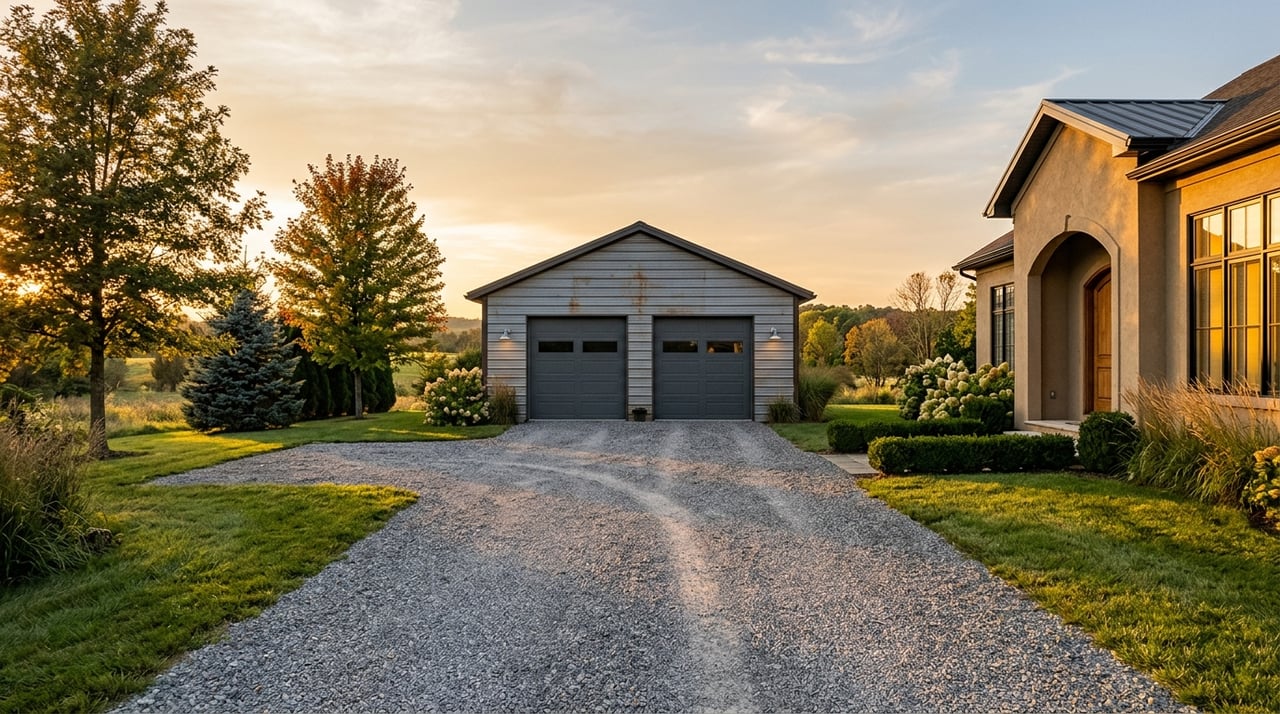
Auction often fits acreage that is simpler to understand and easier to value as land first. In practical terms, that usually means the value story centers on acres, access, tract configuration, or the ability to split or market multiple parcels.
Ohio Realtors notes that off-site auctions are often used for multiple-parcel sales, especially for farming or investment, while on-site auctions can work well when the seller wants to capitalize on the property’s condition and appearance. Based on the research, that makes auction a logical fit for certain Whitehouse-area sellers.
You may want to look closely at auction if your property is:
Auction can also be useful when you want the market focused around one date. If your main goal is to create a defined sale timeline, auction deserves serious consideration.
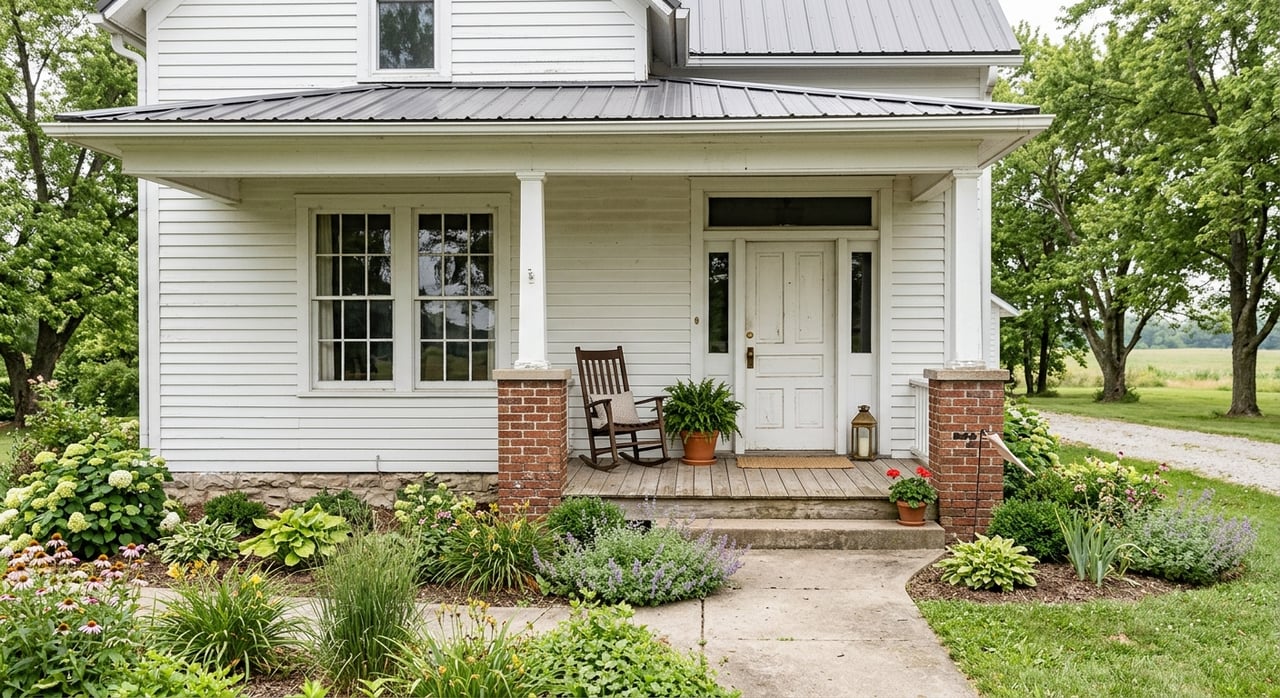
Traditional listing often fits improved acreage and hobby-farm style properties better. These are properties where buyers need to see and understand more than the number of acres.
In Whitehouse, that can be especially important because the village reports mostly residential land use, while commercial and industrial activity is growing. Some parcels may attract buyers who want a lifestyle property now, while others may also think about future use.
A traditional listing may make more sense if your property includes:
If your acreage is more than just land on paper, listing often gives you more room to tell that story well.
Before you decide between auction and listing, it helps to answer a few local, property-specific questions. These can clarify what buyers will focus on and what kind of marketing plan gives you the best chance of success.
Ask yourself:
These questions matter in Whitehouse because local zoning and permit responsibilities can affect how a parcel is presented. They also matter because land category and tract structure often influence which buyers show up.
One smart step before choosing a sale method is to review the property carefully through Lucas County’s AREIS system. According to the research report, AREIS can search by parcel, address, or intersection and offers market-area sales reports, parcel maps, property attributes, current tax bills, and imagery.
For sellers, that can be helpful when verifying acreage, checking parcel details, and reviewing nearby transfers. It is not a replacement for a full pricing strategy, but it is a useful local tool for due diligence.
The better you understand your tract, the easier it is to choose the right path. A sale method should support the property’s strengths, not fight against them.
There is no universal winner here. The right answer depends on your parcel’s use, condition, tract layout, and your priorities as a seller.
If you want a defined sale date and your property is easy to understand as a land asset, auction may be the stronger fit. If you want broad exposure, flexible timing, and room to market improvements and lifestyle features, a traditional listing may serve you better.
The key is not choosing the method that sounds more exciting. It is choosing the one that best matches how buyers will evaluate your Whitehouse acreage.
If you’re weighing both options, talking through your tract, goals, and timeline with a local professional can save you time and help you avoid the wrong strategy. For acreage, hobby-farm, and auction guidance backed by local Northwest Ohio experience, connect with Morgan Rice.
Stay up to date on the latest real estate trends.


Whether you’re buying your first home or preparing to sell, Morgan Rice is ready to help. Reach out today to start a conversation and experience a real estate process built around your needs.