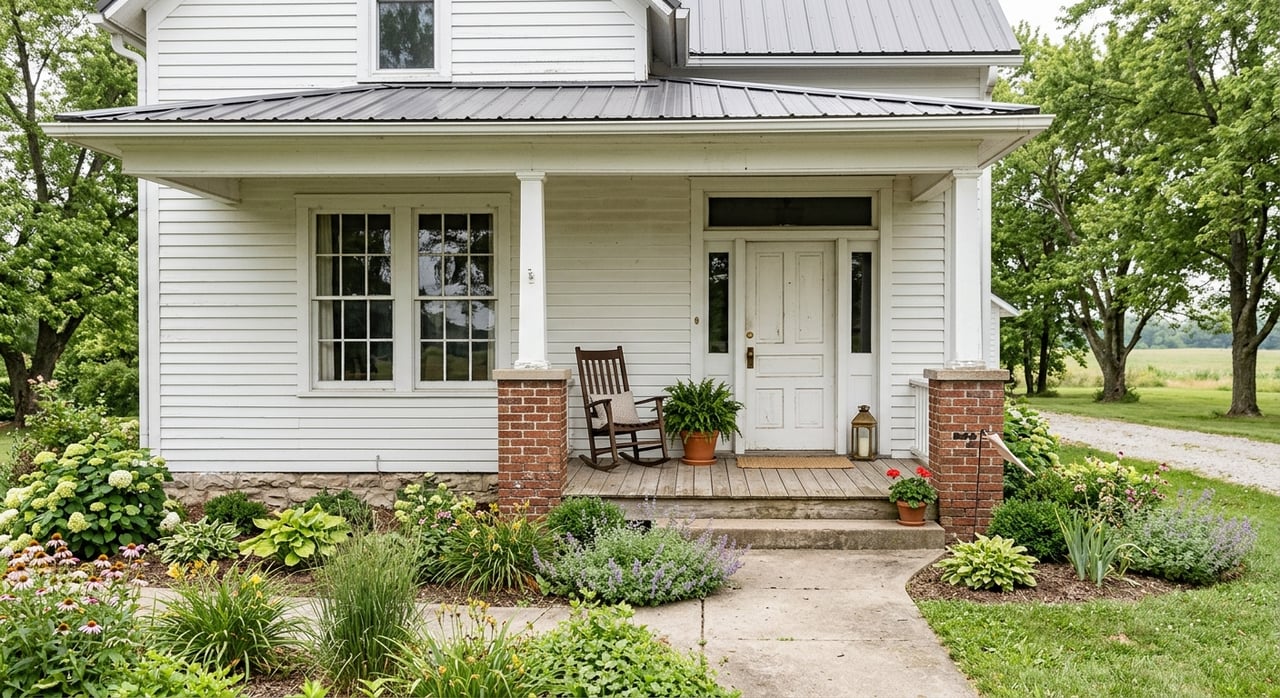
What To Know About Buying An Older Home In Archbold
May 14, 2026
May 14, 2026
Thinking about buying an older home in Archbold? You are not alone. From classic village houses to rural farmhouses, older properties are part of what draws many buyers to this area, but charm often comes with extra questions. If you want to buy with confidence, it helps to know what to expect before you fall in love with original trim, wide porches, or a big barn. This guide walks you through the biggest things to watch for in Archbold so you can plan smart and move forward with fewer surprises. Let’s dive in.
Archbold has a strong connection to local history and rural living, so it makes sense that many buyers are drawn to homes with character. The area is often associated with older houses, farmhouses, and properties with outbuildings, especially given the village’s heritage ties and the broader rural context of Fulton County.
The local market also helps explain why buyers pay attention here. Recent market data shows Archbold with a median home sale price of $289,500, with 13 homes for sale and a 95% sale-to-list ratio. Fulton County overall shows a median sale price of $236,000 and about 42 days on market, which suggests Archbold is a tighter and somewhat higher-priced pocket within the county.
Older housing is not unusual in Fulton County. County profile data shows 5,069 of 17,701 housing units were built in 1939 or earlier, and the median year built is 1969. In other words, age-related maintenance is often a normal part of the buying process here, not an exception.
When you tour an older home in Archbold, it helps to look past the surface. Original woodwork, large lots, and mature settings can be appealing, but older materials and systems may need closer review.
Some homes may have only minor deferred maintenance. Others may involve bigger issues tied to age, moisture, or older construction methods. The goal is not to avoid older homes altogether, but to understand which items are manageable and which ones could affect your budget, financing, or timeline.
If a home was built before 1978, lead-based paint should be on your radar. According to EPA data cited in the research, 87% of homes built before 1940 and 24% of homes built from 1960 to 1978 have some lead-based paint.
Ohio also requires lead-related disclosure for residential properties built before 1978. Sellers should provide known information about lead hazards, and a risk assessment or inspection is recommended before purchase. If you are buying an older home, it is smart to assume lead-safe precautions matter until you learn more.
Asbestos can still show up in older homes and outbuildings. This does not automatically mean a property is unsafe, but damaged materials or planned renovation work can change the risk.
If older materials may be disturbed during repairs or updates, EPA guidance in the research report says repair or removal should be handled by a trained and accredited asbestos professional. That matters in Archbold, especially for buyers considering older farmhouses, garages, or barns with long service histories.
Radon is not just an older-home issue, but it is still important during due diligence. The research report notes that any home may have a radon problem, whether it has a basement or not, and testing is the only way to know if levels are elevated.
Moisture is another big item to watch. Basements and damp areas can point to mold, mildew, or structural damage, so it is important to ask where water may be entering and whether drainage around the home is working the way it should.
In Archbold and the surrounding rural areas, private water and septic questions can be just as important as the home itself. Fulton County Health Department handles Household Sewage Treatment Systems and private water systems, and the county has nearly 7,600 HSTS systems that are not connected to municipal sewer service.
That means many buyers should be ready to ask whether a property uses public water, a private well, public sewer, or a septic system. You should also ask for available permits, maintenance records, inspection history, and any county forms tied to a sale or refinance.
A standard home inspection should do more than confirm that a house looks nice. The inspection typically reviews floors, doors, the foundation, roof, walls and ceilings, windows, electrical, heating and cooling, structural components, attic and insulation, plumbing, and the basement if there is one.
For an older Archbold home, this kind of review can help you spot the difference between cosmetic wear and more serious concerns. It can also help you decide when a specialist should take a closer look.
Bring specific questions to the inspection so you can use that time well. A good report is valuable, but direct questions often give you clearer context about urgency and next steps.
A standard home inspection is a strong first step, but it is not the same as a full specialist evaluation. If an inspector or appraiser notices issues like mold, an active roof leak, or foundation settlement, further review by a qualified professional may be needed.
That matters because not every problem has the same impact. Some issues are simple maintenance items, while others can affect financing, insurance, repair costs, or whether you should move forward at all.
For older village-edge or rural properties, utility questions deserve extra attention. A home can look move-in ready and still involve important private-system details behind the scenes.
Here are smart questions to ask when a property may rely on a well or septic system:
Older homes can still be financeable, but condition matters. The research report notes that properties with minor deferred maintenance can often still be sold or financed as is if the issues do not affect safety, soundness, or structural integrity.
More serious defects can be a different story. If an appraisal finds problems that affect the property’s condition, repairs may be required before closing can move forward.
Before you commit to an older home, ask your lender how the property’s condition may affect your loan options. This is especially important if you are buying a fixer-upper, a rural property, or a home with acreage or outbuildings.
The research report also notes that renovation financing may be available through programs such as Fannie Mae HomeStyle Renovation, and USDA programs may help eligible rural buyers or homeowners in certain situations. For buyers considering updates, that can open more possibilities, but the right fit depends on the home and the loan guidelines.
One of the biggest mistakes buyers make with older homes is focusing only on the offer price. In reality, your budget may also need to cover immediate safety items, system updates, moisture or drainage corrections, and work related to lead-safe or asbestos-related concerns if those apply.
It is also wise to build in a contingency for surprises. Older properties can reveal issues only after inspection, and that is especially true when you are dealing with hidden systems, long ownership histories, or rural property features.
In Archbold, an older home might be a classic in-town property, a farmhouse, or a rural home with acreage and outbuildings. Those property types can look similar on a listing sheet, but the questions they raise during a purchase can be very different.
That is where local guidance helps. A knowledgeable local agent can help you compare village homes with rural properties, coordinate with inspectors and lenders, and flag health-department questions tied to wells or septic systems. That kind of support can make the process feel much more manageable, especially if you are balancing charm, condition, and budget at the same time.
If you are exploring older homes in Archbold and want a clear, local perspective on what to watch for, Morgan Rice is here to help you navigate the details and buy with confidence.
Stay up to date on the latest real estate trends.


Whether you’re buying your first home or preparing to sell, Morgan Rice is ready to help. Reach out today to start a conversation and experience a real estate process built around your needs.